 BECOMINGStart a project
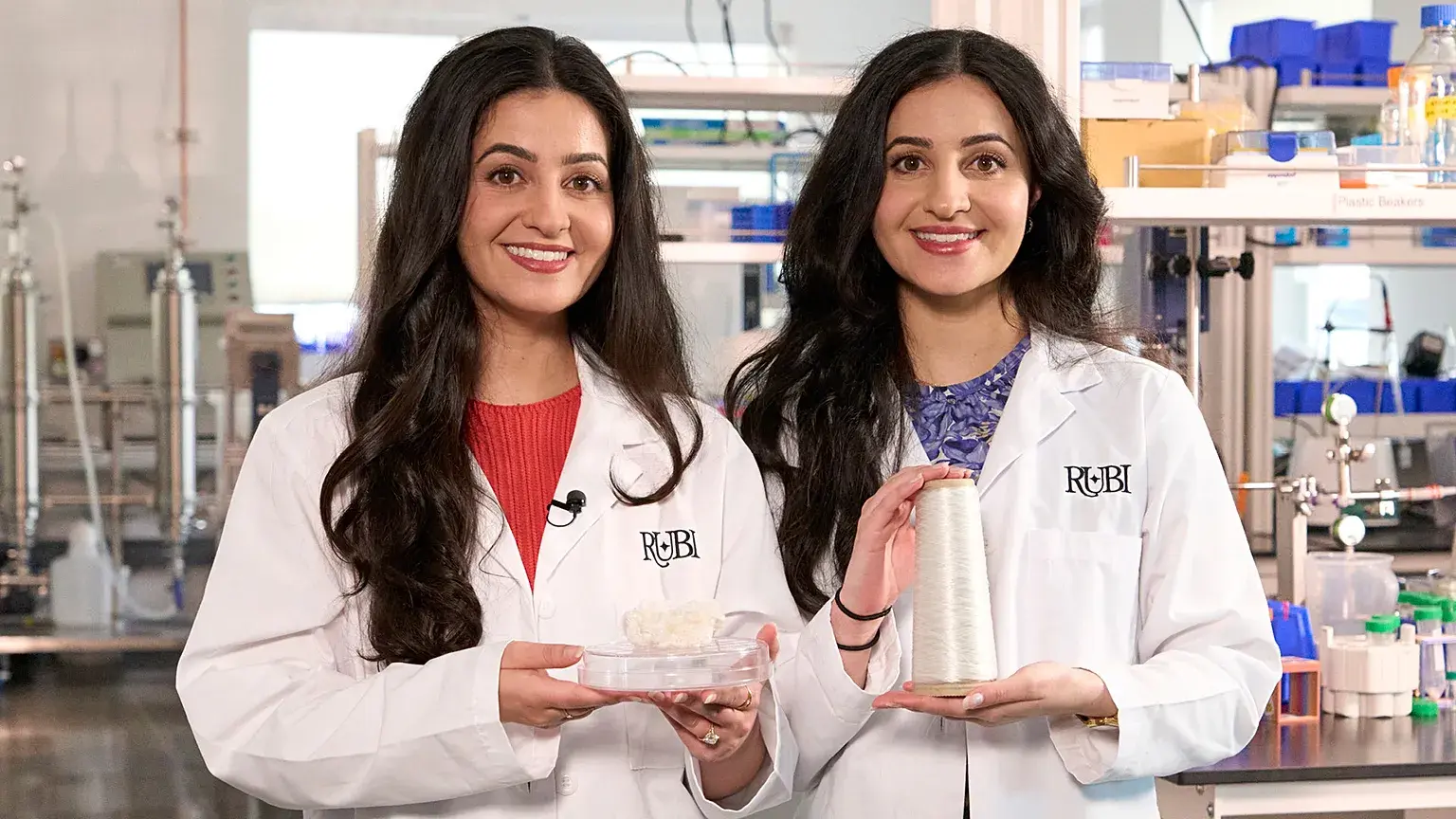
Neeka and Leila Mashouf built Rubi around a startling proposition: use enzymes to convert captured CO₂ into cellulose, the raw material behind fibres, yarns and fabrics.
The question hiding inside a shirt
A shirt begins long before the cutting table. Its fibres require raw material, energy, land, water, chemistry and transport. Neeka and Leila Mashouf looked at that chain and asked whether one of the world’s biggest waste streams—carbon dioxide—could become one of manufacturing’s building blocks.
Their company, Rubi, is developing a process that captures CO₂ and converts it into cellulose. Cellulose can then become fibre, yarn and fabric through further manufacturing. The important distinction is simple: the sisters are not sewing smoke into clothing. They are trying to remake the material at the beginning of the supply chain.
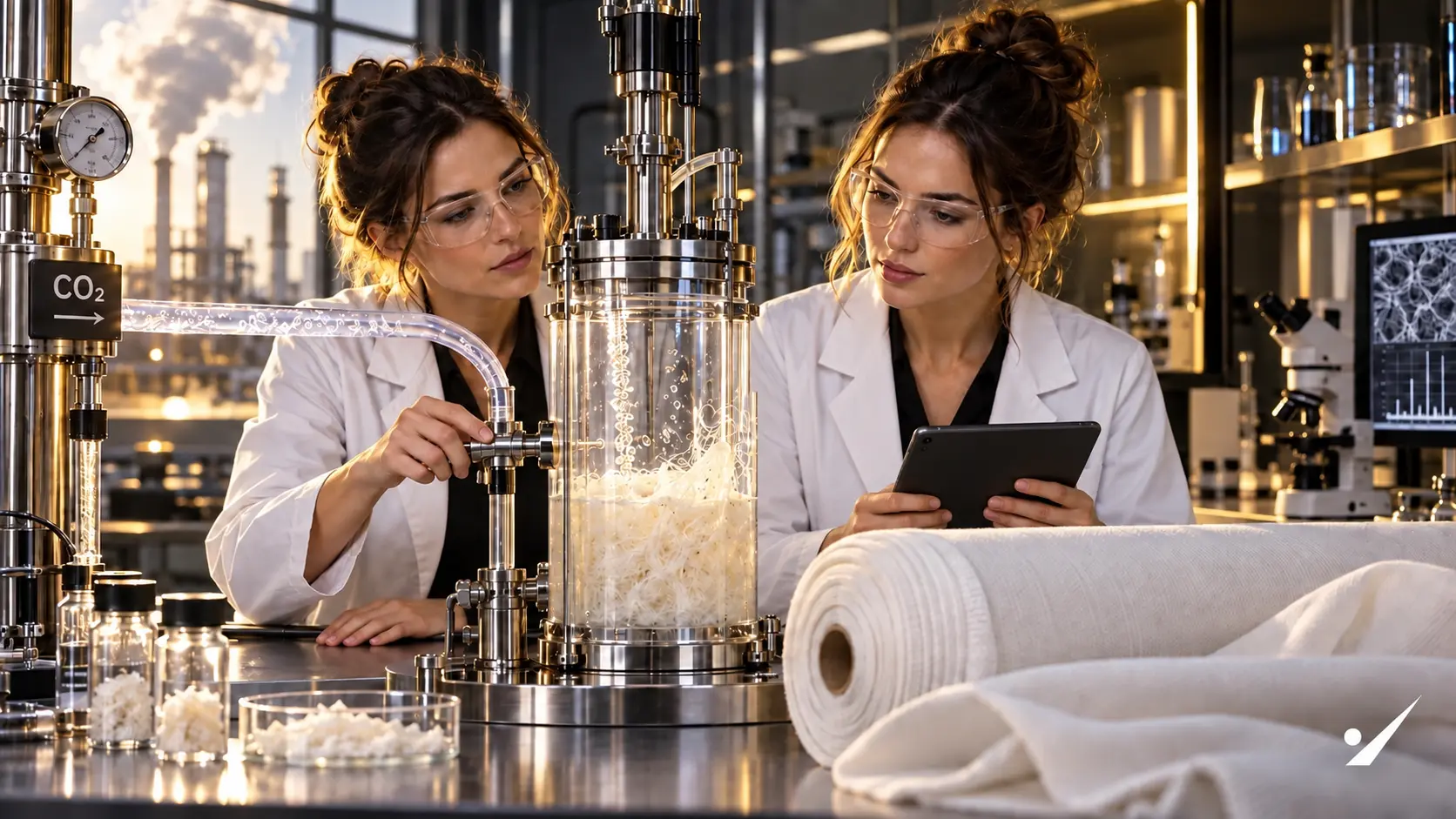
Two sisters, two scientific paths
Raised in California’s San Francisco Bay Area, the twins grew up around both science and the fashion business. According to their European Patent Office profile, Neeka pursued materials science and business while Leila focused on medicine, bioengineering and enzymatic systems.
They founded Rubi in 2021, combining those disciplines around a shared ambition: make useful materials without depending on the same land- and resource-intensive inputs that dominate conventional production.
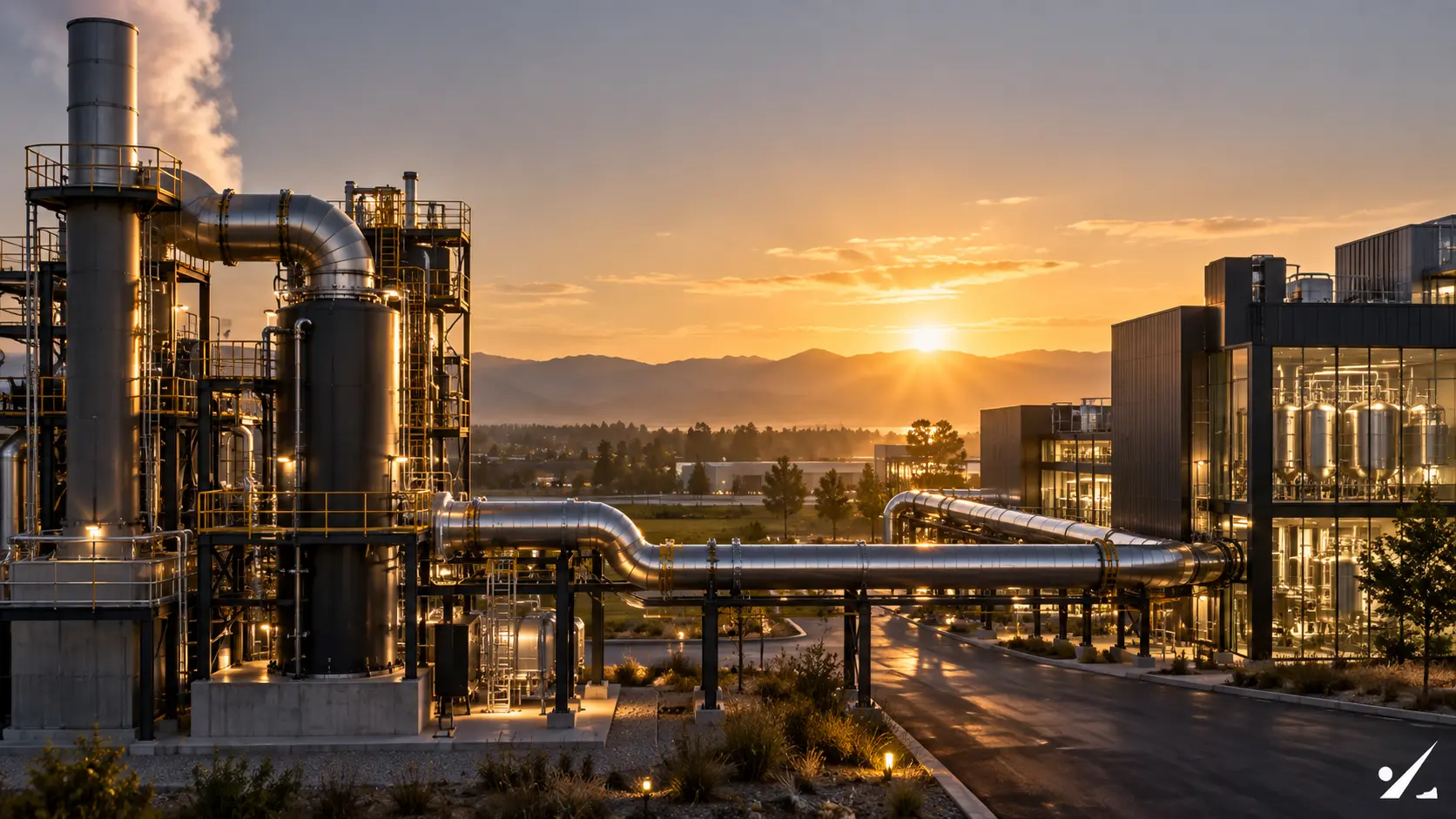
Learning from the way nature builds
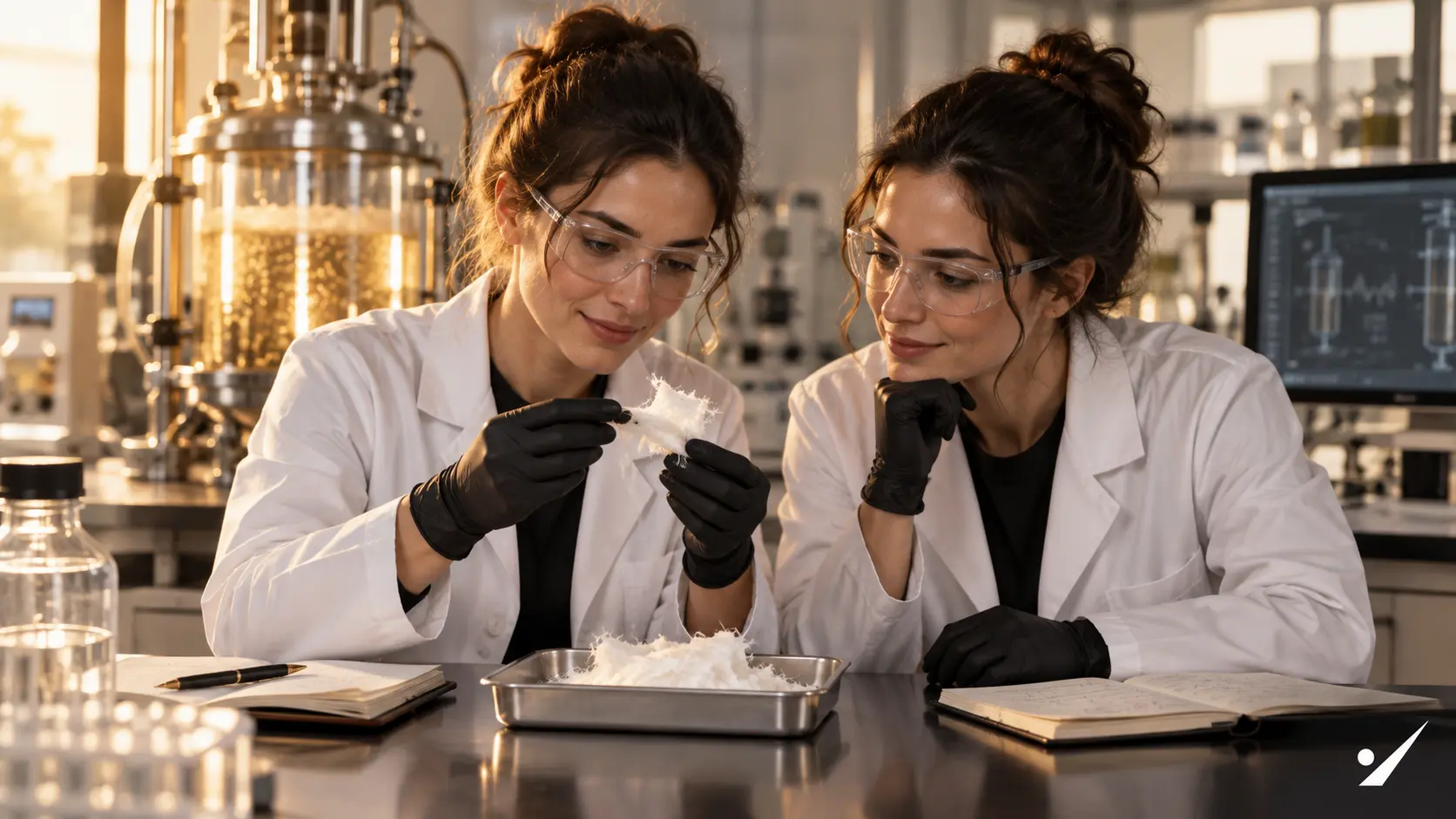
Plants take carbon dioxide from their environment and use biological machinery to build complex molecules. Rubi’s approach borrows from that logic. The company says a sequence of enzymes converts captured CO₂ into cellulose under comparatively mild conditions.
Enzymes are catalysts: they help chemical transformations happen without being consumed in the same way as the material they act upon. Rubi describes its platform as cell-free, meaning the conversion is designed around enzymes rather than growing an entire organism in a fermentation tank.
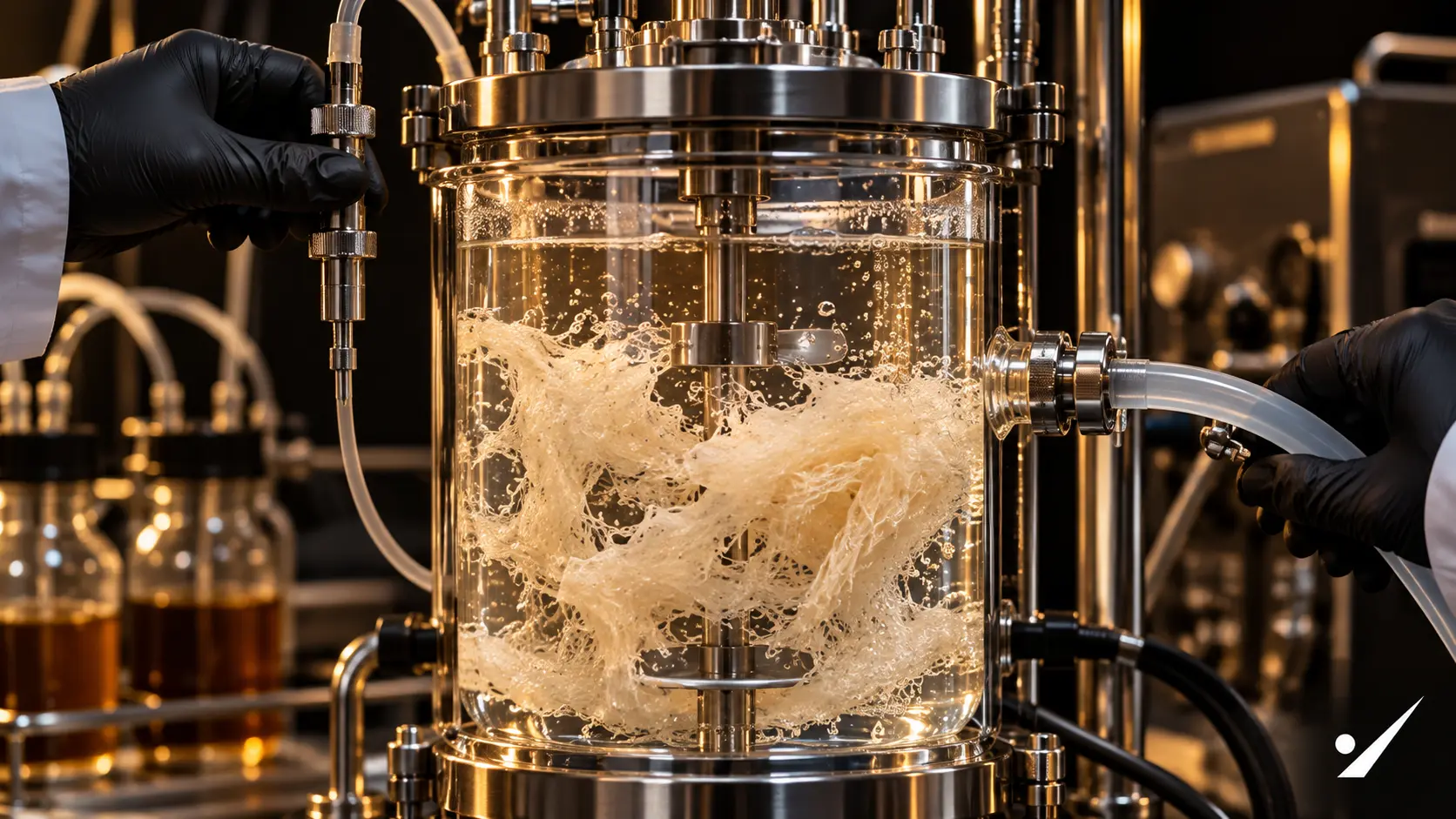
From carbon to cellulose
Cellulose is a natural polymer and a major structural component of plants. Textile manufacturers already use cellulose from trees and other plant sources to make fibres such as viscose and lyocell. Rubi’s wager is that captured carbon can become another source.
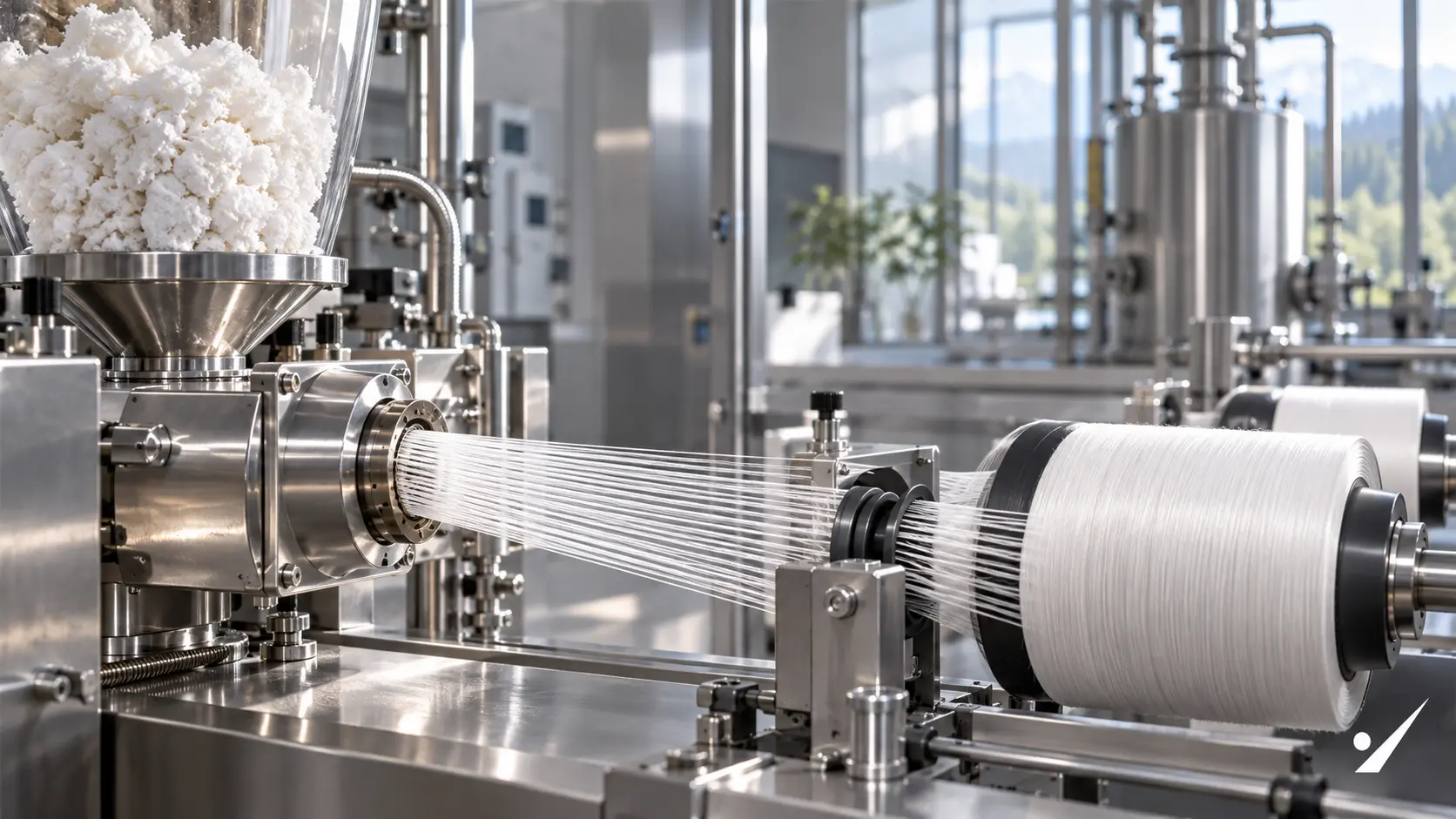
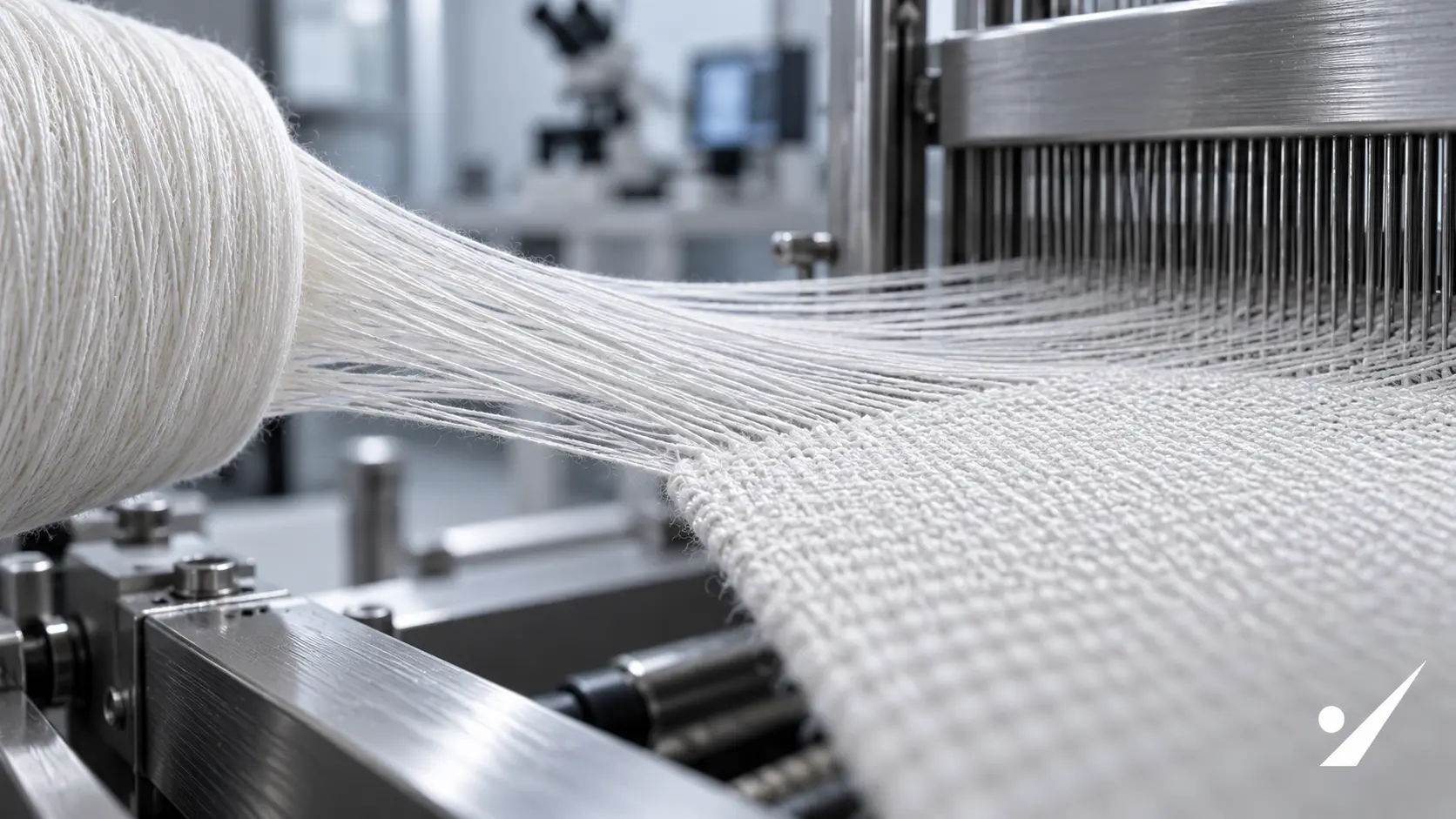
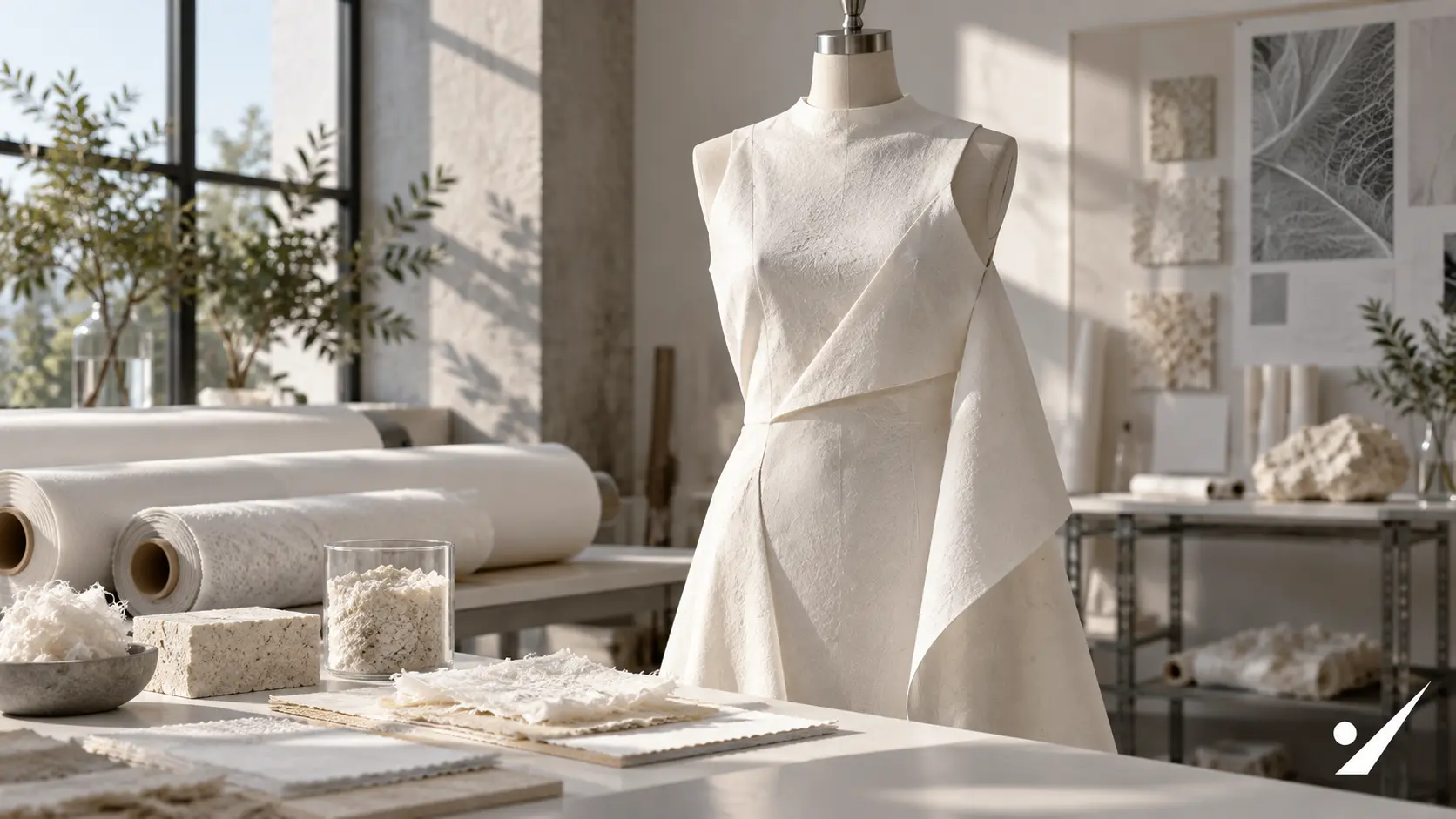
The reactor output is not a finished dress. It is cellulose that must be purified, transformed into fibre, spun into yarn, woven or knitted, dyed, finished and tested. Every stage affects performance and environmental impact.
Why fashion is paying attention
Fashion brands want materials that can reduce pressure on forests, agricultural land and water while fitting into existing manufacturing systems. A carbon-derived cellulose input could be especially attractive if mills can process it without rebuilding the entire supply chain.
Walmart announced a pilot with Rubi in 2023 to explore capturing carbon from manufacturing facilities and converting it into a material for prototype textiles. Euronews, in partnership with the European Patent Office, later reported pilot relationships involving Walmart, Patagonia and H&M. Pilots are evidence of industry interest—not proof of mass-market production.
The environmental promise—and the claims to test
Rubi says its textiles can remove their weight in CO₂ and use virtually no land or water at the feedstock stage. The company describes the platform as net carbon-negative. Those are consequential claims, and they remain company claims until full, independently reviewable life-cycle evidence establishes the boundaries and assumptions behind them.
A serious assessment must count the source and energy cost of captured CO₂, enzyme production, reactor operation, purification, fibre formation, dyeing, finishing, transport and end of life. A better raw material can still lose its advantage if later stages consume too much energy or hazardous chemistry.
Recognition in Reykjavík
In 2025, the European Patent Office selected the Mashouf sisters for its Young Inventors Prize and named them winners in the Nature Guardians category. The program’s finalists were chosen from more than 450 proposals involving inventors aged thirty or younger.
The recognition placed their work inside a broader generation of inventors treating climate problems as design constraints. The award celebrates the idea and its progress; commercialization will be judged by repeatable production, price, quality and measurable impact.
The leap from sample to scale
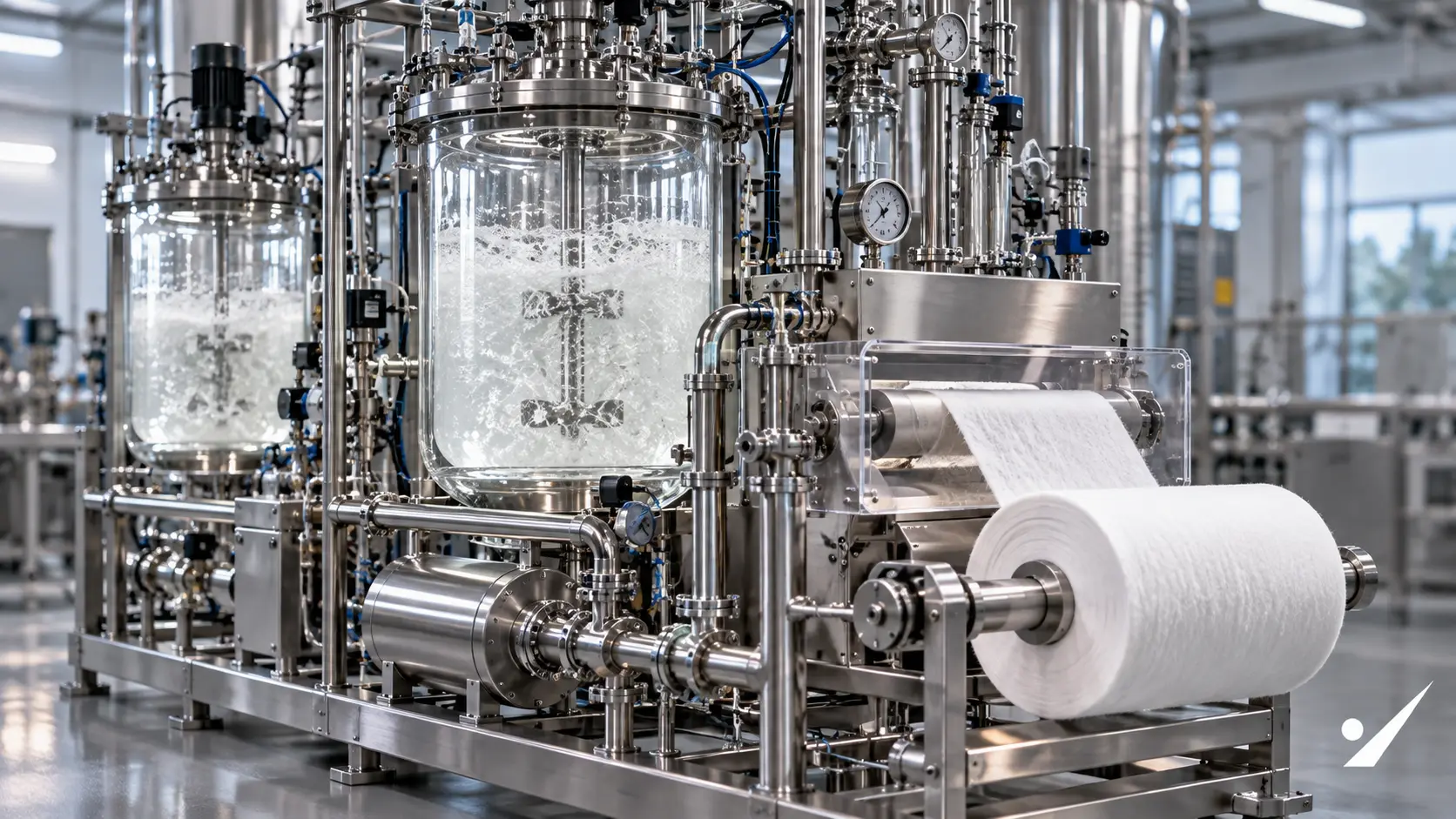
Laboratory success is only the first gate. Industrial textile production requires consistent purity, strength, softness, dye behavior and supply at enormous volume. Equipment must run reliably, enzymes must remain affordable and the carbon source must be captured and delivered without erasing the environmental gain.
Rubi’s licensing strategy aims to place the technology closer to existing manufacturers. That could accelerate adoption, but it also makes quality control, transparent measurement and partner execution central to the result.
What still has to be proven
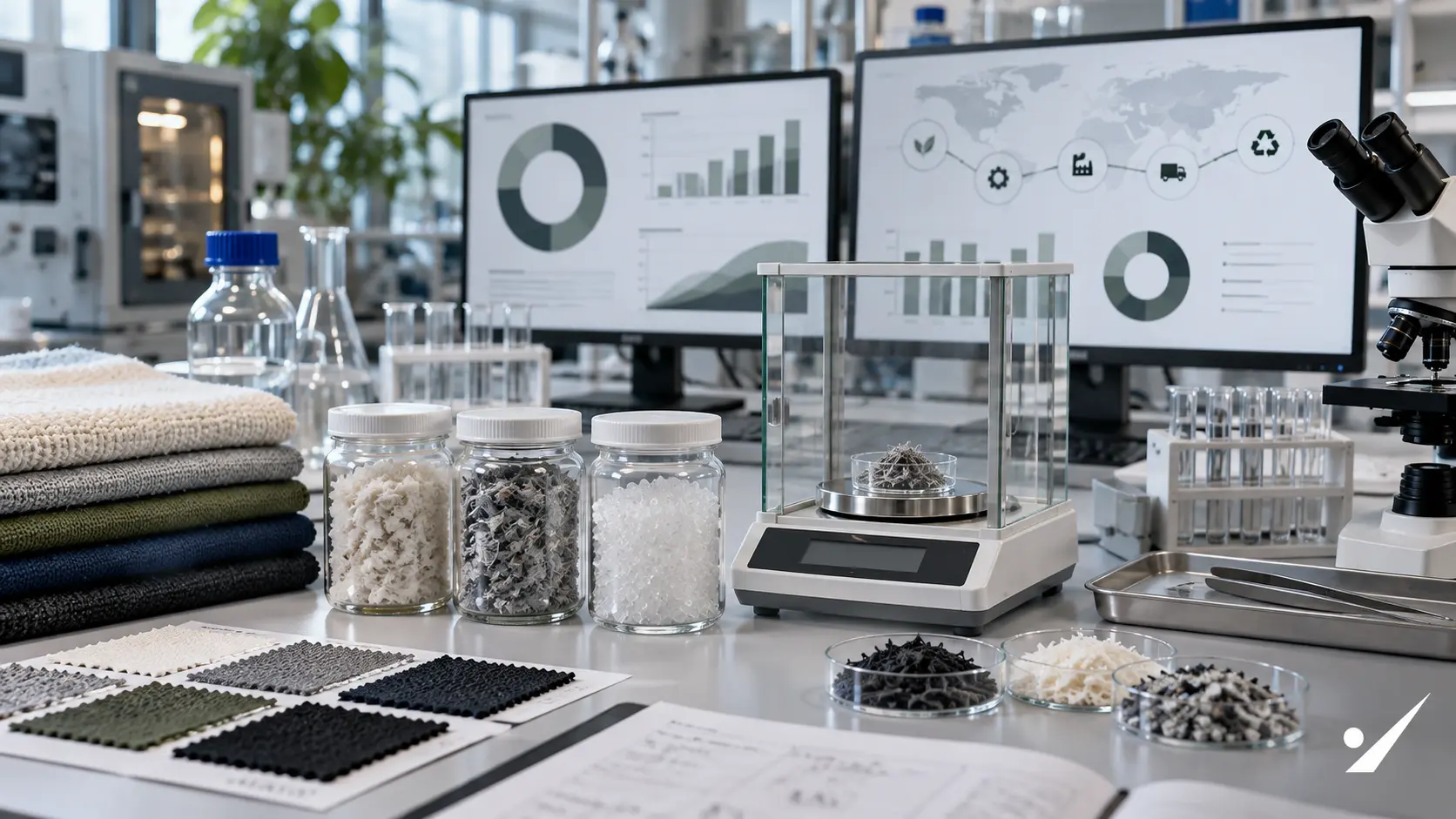
Can the process compete on cost with established cellulose sources? Can it produce uniform material at commercial scale? How durable are the resulting textiles, and what happens to them after use? Will independent life-cycle studies confirm the company’s carbon and resource claims across different factories and energy systems?
These questions do not diminish the invention. They define the road between a striking experiment and a dependable industrial platform. SPOTLIGHT BECOMING celebrates people who open that road while keeping the uncertainty visible.
The Becoming view: change the beginning
The most powerful part of this story is not the spectacle of turning a gas into cloth. It is the decision to question what manufacturing begins with. Waste can become feedstock. Biology can become machinery. Two different scientific paths can meet inside one material.
Neeka and Leila Mashouf have not finished transforming fashion. They have made a serious case that its raw materials do not have to come from the places they always did. Sometimes becoming begins by changing the first ingredient.